Xylorix Model Guide

Welcome to the Xylorix model documentation! This page documents everything about the Xylorix wood identification AI model and its related information.
Xylorix is our flagship product suite specialized in developing and providing an automated wood identification system through the application of state-of-the-art artificial intelligence (AI) and machine learning (ML) technologies.
Useful links:
- Xylorix Inspector App — the app that uses these models
- Model Store — browse and subscribe to model albums
What is a Model?

In brief, a model, or AI model, is an image recognition AI (like a bot) developed by Xylorix that identifies the wood species/genus/timber group that it is trained for.
A model can be trained to differentiate (or identify) a specific wood species, genus, or even a group of timbers that may share some similarities known in the timber industry or by wood experts.
What Does a Model Do?
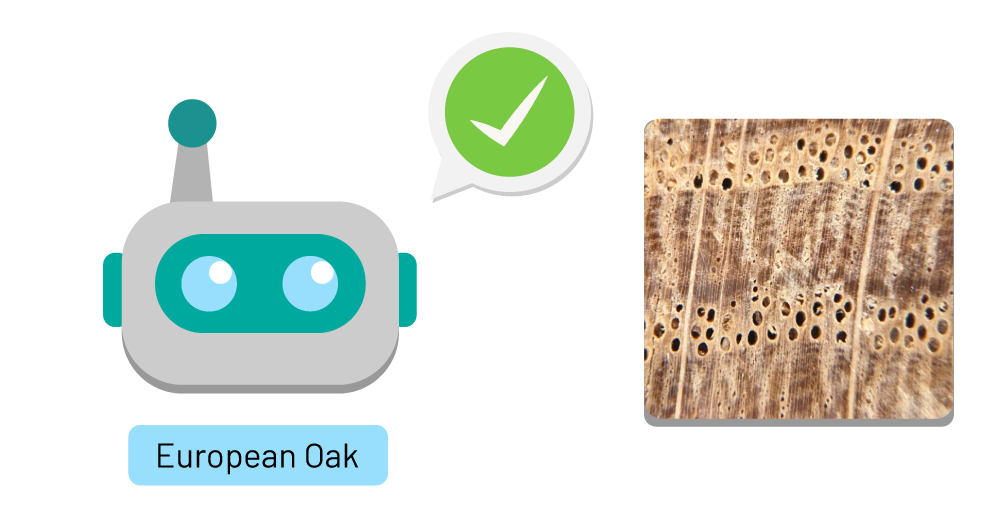
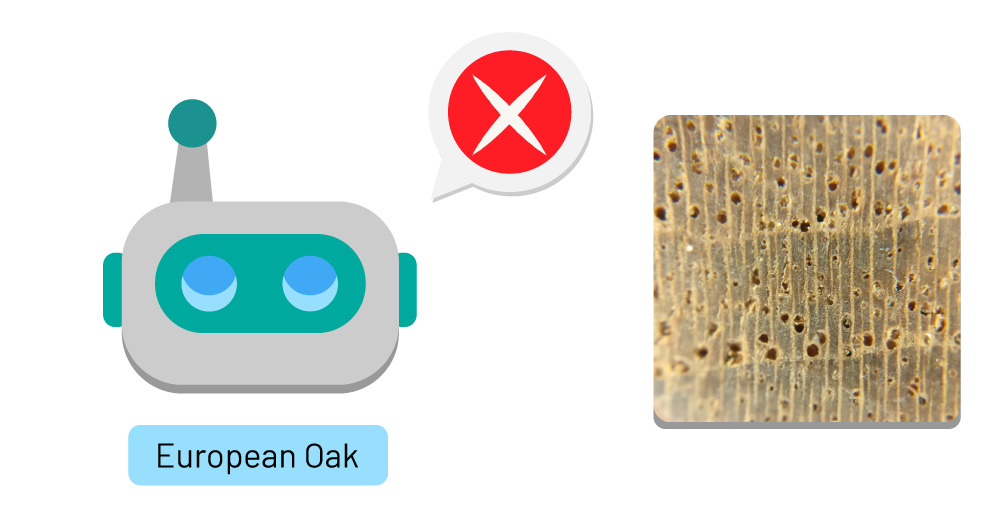
A model is much like a trained wood expert on its designated wood type.
For example, an European Oak model is trained to identify any given magnified end-grain surface picture of a wood — whether it is a European Oak or not. If the prediction result is above its trained threshold (which can vary from model to model), it will give the verdict that this given picture is a European Oak, and if otherwise, it is not.
How Do I Use Them?
These models can be accessed using the Xylorix Inspector App (available on both Android and iOS). Check out the app page or visit the model store to get more models:
See the Inspector User Guide for detailed instructions on using models.
Model Technical Info
Trained Species
Trained species are species that the AI model is trained to identify.
Rejected Species
In some models, a few selected rejected species are included as part of the model training so it can learn to differentiate these species from its intended trained species — i.e., it returns a low prediction result when given images of one of these rejected species.